How Last Christmas Script Upgraded My Brand’s Visual Identity
Last Christmas Script found its way into my design toolkit when I was redesigning the packaging for my small bakery. I had been struggling to find a font that felt both warm and professional—something that could carry the charm of handwritten notes but still look polished enough for a brand label. That’s when I stumbled upon Last Christmas Script, and it changed everything.
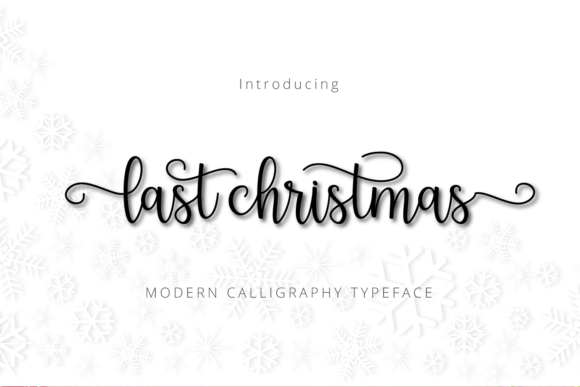
This script font has a timeless quality that feels like it was written with care. It carries a gentle flow and soft curves that give it a friendly and approachable vibe. What stood out to me most was how it balanced elegance with readability. It wasn’t too ornate that it became hard to read, nor was it too simple that it lost its character.
I decided to use Last Christmas Script for the main title on our bakery boxes. The result was immediate: customers started noticing the new look. It gave our brand a more consistent and cohesive feel, especially when paired with our logo and color scheme. The font’s handwritten style made our packaging feel personal and inviting, which really resonated with our target audience.
Since then, I’ve used Last Christmas Script across several areas of my business. It works beautifully as a display font for headlines, logos, and product titles. For example, we now use it on our thank-you cards, social media posts, and even our website banners. It adds a touch of personality without overwhelming the design.
One thing I love about this font is that it’s PUA encoded, which means I can access all the glyphs and alternate characters easily. This has been especially helpful when designing custom labels or creating unique accents for our product packaging. The ability to customize each letter gives me more creative freedom while keeping everything looking clean and professional.
When it comes to typography, I’ve learned that first impressions matter a lot. A well-chosen font can make your brand feel more trustworthy and memorable. Last Christmas Script helps us stand out in a sea of generic designs. It’s not just about looking good—it’s about making sure everything we put out there aligns with our brand identity.
For businesses that want to create a more polished and recognizable image, using a consistent typeface is key. Last Christmas Script has become a staple in our design system because it fits so well with our overall aesthetic. Whether it’s for print or digital use, it maintains a high level of quality and consistency.
I’ve also experimented with pairing Last Christmas Script with other fonts to keep things visually interesting. For instance, I often pair it with a clean sans serif font for body text. This combination works great for menus, flyers, and website content where readability is important. It allows the script font to shine as a decorative element while keeping the rest of the text easy to read.
Before choosing any font for commercial use, I always check what’s included in the package. With Last Christmas Script, I was happy to see that it supports multiple languages and offers various weights and styles. This flexibility makes it easier to use across different platforms and formats, from printed materials to online shop graphics.
Another thing to consider is how the font looks at different sizes. I found that Last Christmas Script remains legible even on small labels or mobile screens. This is crucial for things like product tags or social media thumbnails where space is limited. Its clean lines and thoughtful design ensure that it doesn’t lose clarity no matter where it’s used.
Typography plays a big role in how people perceive your brand. Using a font like Last Christmas Script can help you create a stronger connection with your audience. It conveys warmth, creativity, and attention to detail—all of which are important for building trust and loyalty.
If you’re looking for a font that can elevate your brand visuals without feeling too flashy or too plain, I highly recommend giving Last Christmas Script a try. It’s a versatile choice that works well in many different contexts, whether you’re designing logos, packaging, or digital assets. It’s not just a font—it’s a tool that helps your brand tell its story more effectively.